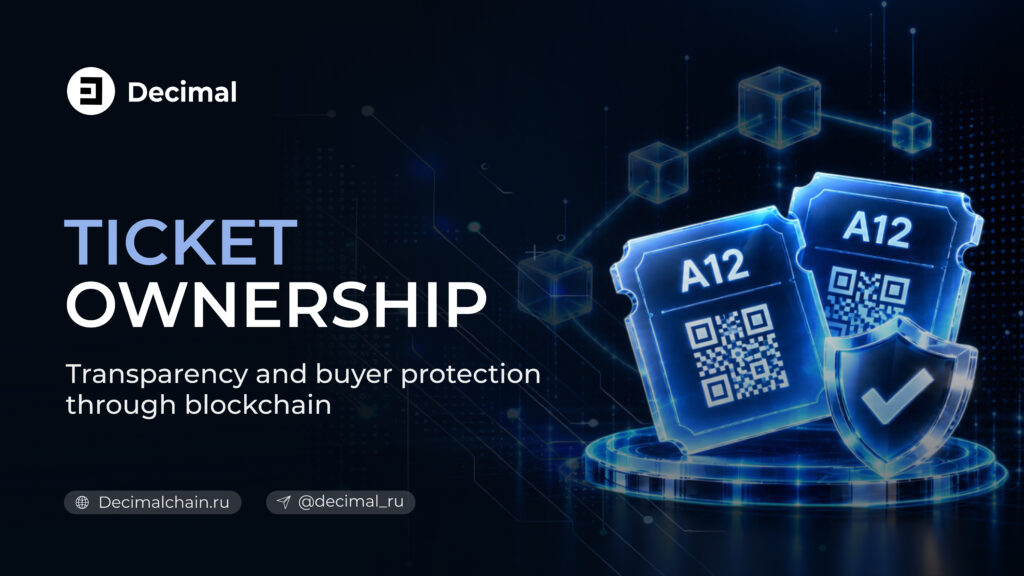
One Ticket Sold to Two People: Can Blockchain Protect Buyers?
You bought a concert ticket from someone online. The seller sent you a PDF with a QR code, but when you arrived at the venue, you discovered that someone else had already used it to get in. Copying an image is easy. But how can you verify who actually holds the right to enter?
One possible solution is a blockchain-based digital ticket. Let’s explore how it could work.
A Ticket Is a Right, Not an Image
An event organizer issues, for example, 5,000 unique digital tickets. Each has its own number and a record of ownership. The holder can prove their right to enter and, if resale is permitted, transfer the ticket to someone else.
The blockchain maintains a history of transfers. Buyers can verify whether a ticket was genuinely issued by the organizer and who currently owns it.
However, there is an important detail: scammers can also create tokens using the name of a popular concert. That is why buyers need to verify the official issuing address rather than trusting an attractive image or a familiar name.
Why Blockchain Alone Is Not Enough
Screenshots of QR codes are still possible. If the entry system checks only the image, the same ticket could be presented more than once.
That is why the entry application must verify the current owner and mark the ticket as used. A dynamic QR code or confirmation through a crypto wallet may also be required.
Verification needs to be fast. Otherwise, the queue at the entrance could stretch on for an hour.
What Happens When a Ticket Is Resold?
Anna buys a ticket and later officially transfers it to Maxim. The blockchain now identifies Maxim as the owner. Anna may still have an old screenshot, but she no longer has the right to enter.
The same model could be used for memberships, access passes, or certificates, provided their rules allow transfers.
What If You Lose Your Phone?
This is a real challenge. If a ticket is stored in a personal crypto wallet and the holder loses access, the organizer needs to provide a recovery process or another way to verify the purchase.
Blockchain does not replace customer support, refund policies, or the organizer’s responsibility for the event.
When Is Blockchain Actually Needed?
If a single service issues and verifies all tickets, a traditional database is often simpler.
Blockchain becomes more interesting when ticket ownership needs to be recognized across multiple ticketing platforms and ownership transfers must be independently verifiable.
How Does This Relate to Decimal?
DecimalChain provides tokens, smart contracts, and APIs, which allow different software applications to exchange data. These tools could serve as the foundation for developing such services.
This is an example of a potential use case, not an announcement of an existing ticketing system.
For buyers, what matters is straightforward: a ticket should be genuine, verifiable, and backed by clear support when something goes wrong.